
My Expertise
-
Digital rock physics, micro-CT imaging, and 3D characterisation of rocks and engineered materials
-
Underground mine geomechanics, ground support, floor heave, and excavation stability
-
Mechanised tunnelling, including TBM and roadheader performance, machine utilisation, and tunnelling delays
-
Ground characterisation, site investigation, face mapping, borehole logging, and geotechnical data analysis
-
Digital and automated methods for ground assessment, geological interpretation, and real-time decision support
Keywords
Fields of Research (FoR)
Structural geology and tectonics, Petrophysics and rock mechanics, Geomechanics and resources geotechnical engineering, Mining engineering, Earth Sciences, Geomechanics and Resources Geotechnical Engineering, Geotechnical Engineering, Image Processing, Mining Engineering, Civil Geotechnical EngineeringSEO tags
Biography
Hamed Lamei Ramandi is a Senior Lecturer in Mining Engineering and a multidisciplinary researcher working across geology, geotechnical engineering, tunnelling, and underground excavation. His expertise spans digital rock physics, fractured media, rock characterisation, underground mine geomechanics, mechanised tunnelling, ground support, and digital methods for ground assessment.
His research combines laboratory testing, micro-CT imaging, 3D...view more
Hamed Lamei Ramandi is a Senior Lecturer in Mining Engineering and a multidisciplinary researcher working across geology, geotechnical engineering, tunnelling, and underground excavation. His expertise spans digital rock physics, fractured media, rock characterisation, underground mine geomechanics, mechanised tunnelling, ground support, and digital methods for ground assessment.
His research combines laboratory testing, micro-CT imaging, 3D image analysis, numerical modelling, field investigations, and industry experience to solve practical ground engineering challenges. This work supports safer excavation, improved geological and geotechnical interpretation, better support design, and more reliable decision-making in mining, tunnelling, and subsurface infrastructure.
Hamed is developing a research focus in mechanised tunnelling, including tunnel boring machines and roadheaders. This work examines how ground conditions affect excavation response, machine performance, utilisation, delays, support requirements, and construction risk. It also contributes to digital and automated tools for real-time tunnelling decisions.
Alongside his academic role, Hamed has held senior industry roles on major infrastructure projects. He recently served as Geological/Geotechnical Section Lead on a major Sydney road tunnel project, where he led ground interpretation and geotechnical decision support during construction. He has also provided expert geological and ground support advice for underground mining projects, helping industry manage complex ground conditions and improve excavation safety.
For a list of publications, visit Google Scholar his profile.
My Grants
ARC LP190100122 - Microbiologically Induced Stress Corrosion Cracking in Underground Mines (2020-2022)
ACARP C28011 - Developing Prevention Techniques for Stress Corrosion Cracking Failures of Rock and Cable Bolts (2019-2022)
ACARP C29025 - Effectiveness of Shotcrete in Underground Coal Mines (2020-2021)
CRC-P GA206480-V1 - Developing high-capacity dynamic rock reinforcement for underground mines (2022-2025)
ACARP C35010 - Determination of causes for swelling and bearing capacity floor failures in a pillar system under varying geological and geotechnical environments – STAGE 2 (2022-2024)
AEA Ignite - Commercialisation of an anti-corrosion coating technology for underground mine applications (2024-2026)
ARC Research Hub for Next Generation Mining Methods (2026-2031)
My Qualifications
Doctoral Degree Engineering
Masters Degree Engineering
Bachelor Degree Geology
My Research Activities
My research focuses on ground engineering, rock characterisation, and underground excavation in mining, tunnelling, and subsurface infrastructure. My work links advanced laboratory methods, field investigations, digital tools, and industry experience to improve safety, ground assessment, excavation performance, and support design.
My research activities are grouped into four main areas:
Digital Rock Physics
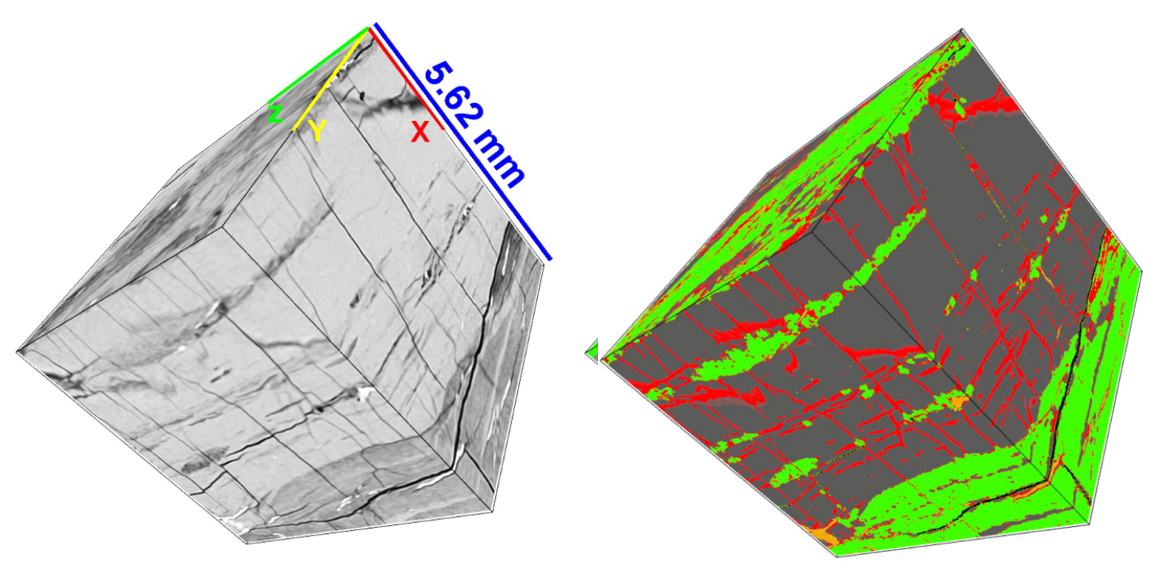
This research area involves the use of micro-CT imaging, 3D image analysis, and numerical modelling to characterise the internal structure and behaviour of rocks and engineered materials. Applications include fracture detection, pore network analysis, permeability estimation, damage assessment, and the study of fluid flow through complex porous and fractured media.
Underground Mine Geomechanics and Ground Support
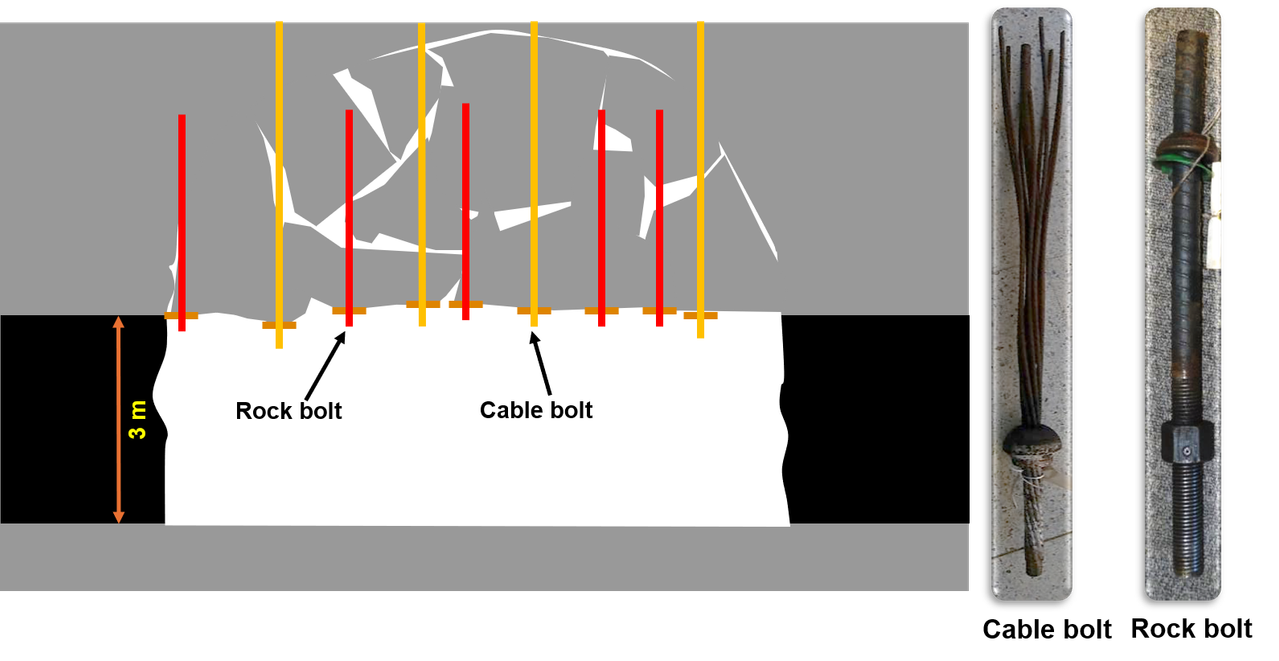
This area focuses on the behaviour of underground excavations and the performance of ground support systems. Key topics include floor heave, rock mass deformation, rock bolt and cable bolt performance, reinforcement failure mechanisms, and ground stability in underground mines. The research supports safer excavation design and more reliable ground control practices.


Mechanised Tunnelling
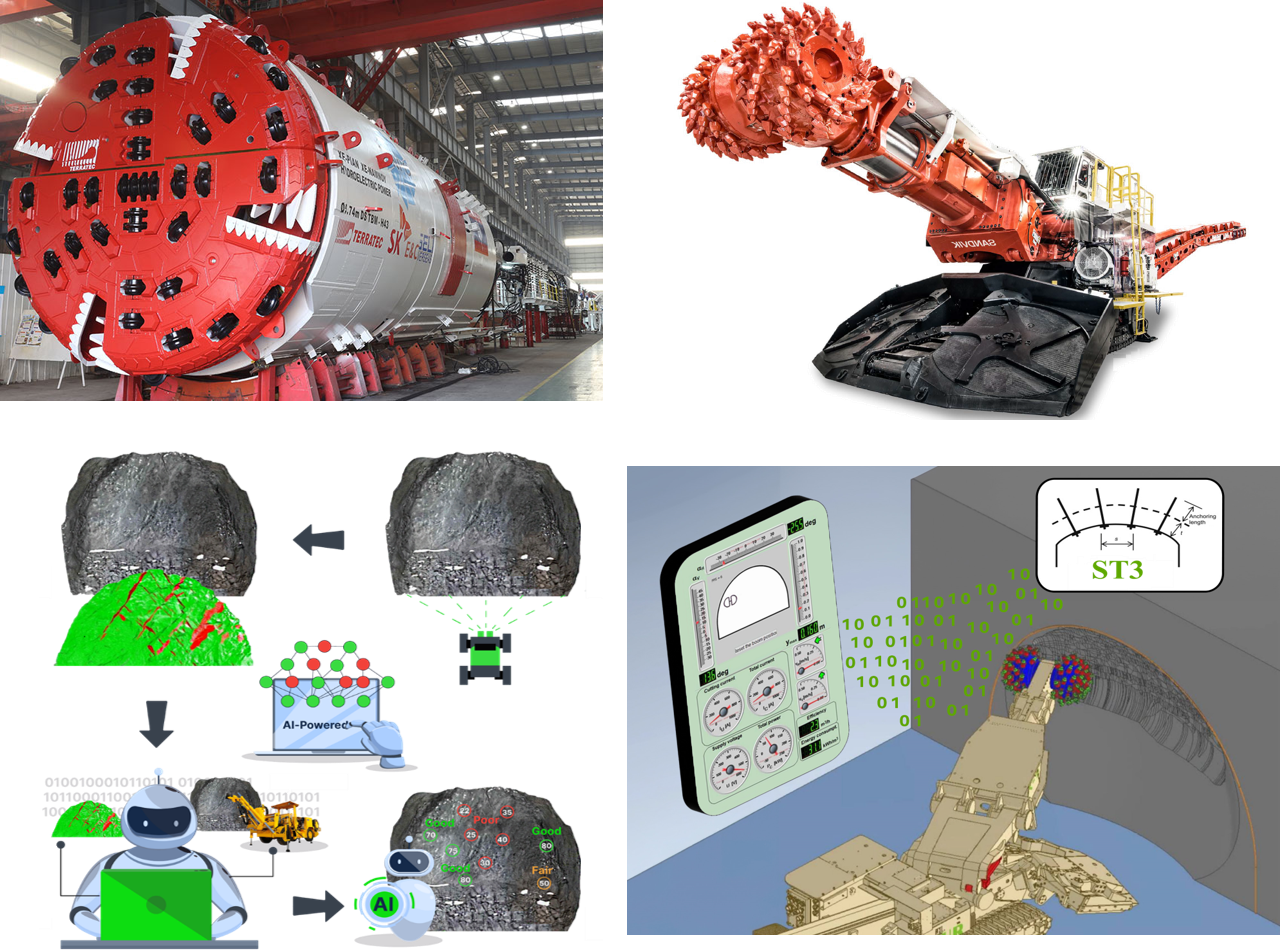
This research area focuses on excavation performance in mechanised tunnelling, including tunnel boring (TBM) machines and roadheaders. It develops models to predict machine performance under different ground conditions and examines overall tunnelling efficiency, machine utilisation, and construction delays. It also covers ground condition assessment, excavation response, geological interpretation, support selection, and risk management during tunnel construction.
Ground Characterisation and Field Investigations
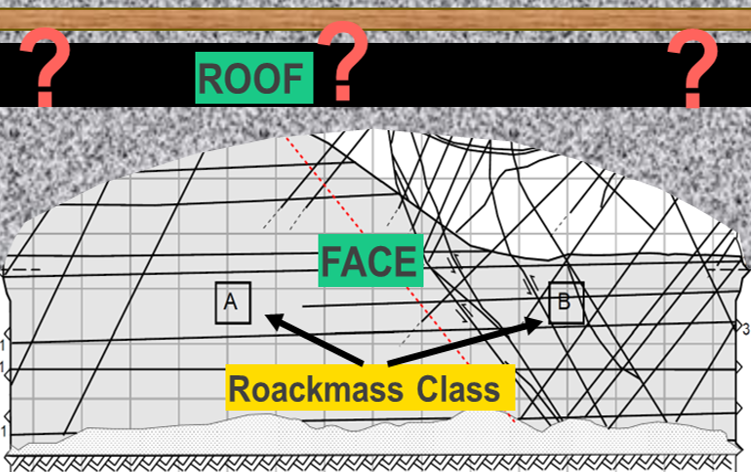
This area focuses on the collection, analysis, and interpretation of geological and geotechnical data for mining and tunnelling projects. Activities include face mapping, borehole logging, borehole imaging, geophysical data interpretation, laboratory testing, site investigation, and geotechnical data analysis. A growing focus is the development of digital and automated methods for ground assessment, including automated face mapping, borehole photogrammetry, and real-time interpretation tools.
Together, these research areas support practical decision-making in mining, tunnelling, and underground infrastructure by reducing uncertainty, improving ground support design, and helping industry manage complex ground conditions.
My Research Supervision
Supervision keywords
My Teaching
UG
MINE3220-Resource Estimation
MERE2810-Mineral Resource Geology & Geophysics
PG
MINE8680-Geotechnical Data Collection and Analysis
MINE8760-Mine Geology and Geophysics for Mining Operations
Publications
ORCID as entered in ROS
 https://orcid.org/0000-0001-8395-7796